The Potential Hazards of Working with Dangerous Chemicals
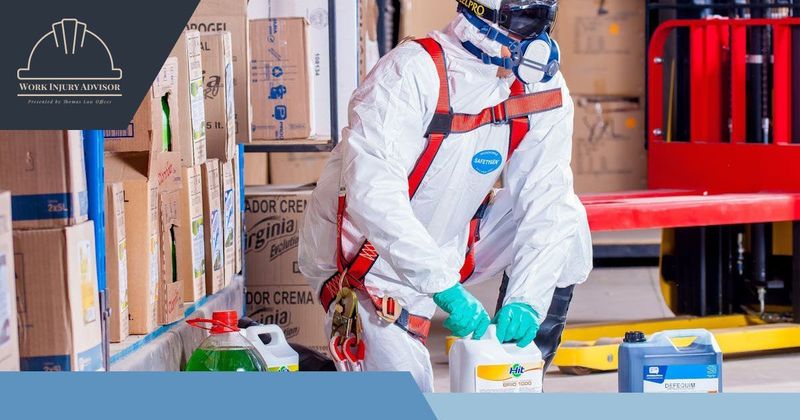
Working with dangerous chemicals is a reality in many industries, from manufacturing to healthcare to agriculture. These substances, while essential for a range of industrial and commercial processes, carry significant health and safety risks.
Anyone handling or exposed to hazardous chemicals must understand the potential dangers involved, as well as the importance of following safety protocols. Without proper precautions, chemical exposure can result in serious injuries, long-term health complications, or even fatal accidents.
What are the Risks Involved with Dangerous Chemicals
Hazardous chemicals come in many forms—liquids, gases, powders—and each type can present unique challenges. Some are toxic when inhaled, while others can burn the skin or eyes on contact.
Certain chemicals, such as solvents or industrial cleaners, may appear harmless but can release fumes that damage the nervous system or lungs over time. These risks will vary based on the chemical’s properties, along with how it is handled and used in the environment.
One of the most concerning hazards is the inhalation of toxic vapors. When workers operate in enclosed spaces with poor ventilation, they can unknowingly breathe in substances that cause respiratory distress, dizziness, or long-term organ damage. Skin contact is another major issue. Strong acids, corrosive materials, or allergens can irritate or burn the skin, sometimes leading to chronic dermatitis or chemical burns. Some chemicals even penetrate the skin and affect internal organs.
Types of Health Effects
Exposure to dangerous chemicals can lead to two broad types of health effects: acute and chronic.
Acute effects happen quickly, often immediately after exposure. These may include eye irritation, skin burns, headaches, or nausea. In severe cases, chemical exposure may cause seizures, unconsciousness, or death, especially when safety equipment is lacking or procedures are ignored.
Chronic effects take longer to develop and are often harder to trace back to a single event. Workers repeatedly exposed to low doses of hazardous substances may develop conditions like asthma, reproductive problems, liver or kidney damage, or certain forms of cancer. Because symptoms don’t always appear right away, employees might not realize the harm until years later.
Workplace Conditions and Common Hazards
The risks workers face can depend heavily on the workplace environment. For example, chemical plants, laboratories, dry cleaners, and pest control operations all handle toxic substances regularly.
In construction, workers might use adhesives, sealants, or insulation materials containing harmful chemicals like ammonia, bleach, or formaldehyde.
Even routine cleaning, warehouse, and transportation jobs can involve exposure.
Improper storage of chemicals is a major hazard. When dangerous substances are stored in unmarked containers or near sources of heat, the risk of accidental exposure or combustion increases dramatically. Mixing incompatible chemicals can also trigger fires, explosions, or the release of toxic gases.
A lack of personal protective equipment or inadequate training only increases the danger.
Employer Responsibility and Safety Protocols
Employers play a central role in keeping workers safe around hazardous materials. They must ensure that chemical containers are clearly labeled, that safety data sheets are accessible, and that employees are trained in how to handle, store, and properly dispose of chemicals.
OSHA regulations require companies to create and maintain hazard communication programs, conduct regular inspections, and provide protective gear like gloves, goggles, and respirators.
Ventilation systems are another crucial safeguard. Sufficient airflow helps reduce the concentration of airborne toxins, particularly in areas where fumes are likely to build up. Spill kits and emergency showers must also be available in case of accidental contact. Failure to follow these safety measures not only endangers workers but also exposes employers to liability and regulatory penalties.
Long-Term Impacts on Workers’ Health
For workers who suffer chemical-related injuries or illnesses, the effects can last far beyond the initial exposure. Chronic pain, respiratory limitations, and neurological disorders can make it difficult or even impossible to return to their previous job.
In addition to physical suffering, workers may face emotional and financial stress from medical bills, rehabilitation, lost income, or reduced pay from workers’ compensation claims.
Some workers may also experience heightened sensitivity after an initial exposure, meaning even small amounts of a substance can cause a greater reaction later. This condition, sometimes referred to as chemical sensitivity or occupational asthma, can be debilitating and reduce the person’s ability to work in any environment with potential chemical exposure.
Legal Rights and Recourse
When exposure to hazardous chemicals results from an employer’s negligence, workers may be entitled to compensation. This can include financial coverage for medical expenses, lost or reduced wages, and long-term disability.
In some cases, especially where safety violations are blatant or repeated, injured workers may pursue additional damages through legal action. Employers are obligated to meet industry safety standards and protect their employees. If they fail in that duty, they can be held accountable.
Workers should report on unsafe conditions immediately and seek medical attention after any exposure, even if symptoms seem mild. Documenting the incident and obtaining medical records can be crucial if health issues develop later.
It’s also important to consult with an attorney who has experience handling workplace injury claims involving chemical exposure.
At Work Injury Advisor, we know that the potential hazards of working with dangerous chemicals are real and sometimes life-altering. Exposure can happen in many ways—inhalation, skin contact, or even accidental ingestion—and the consequences range from temporary discomfort to long-term disability.
Fortunately, many risks can be controlled with the right training, equipment, and safety practices.
Employers must remain vigilant, and workers should be empowered to speak up about unsafe conditions.
Awareness, accountability, and education are the best defenses against preventable chemical-related injuries.
If you’ve been injured on the job, we’re here to help.